






Alto Campoo is located in Cantabria, northern Spain, among the Cantabrian Mountains. The ski resort occupies the head of the Campoo Valley, in the municipality of Hermandad de Campoo de Suso, 24 kilometers from the town of Reinosa. It’s a small destination, where skiing can be combined with exploring a vibrant valley: rural accommodations, villages, a castle, and the source of the Ebro River offer reasons to stop even when your skis are resting.
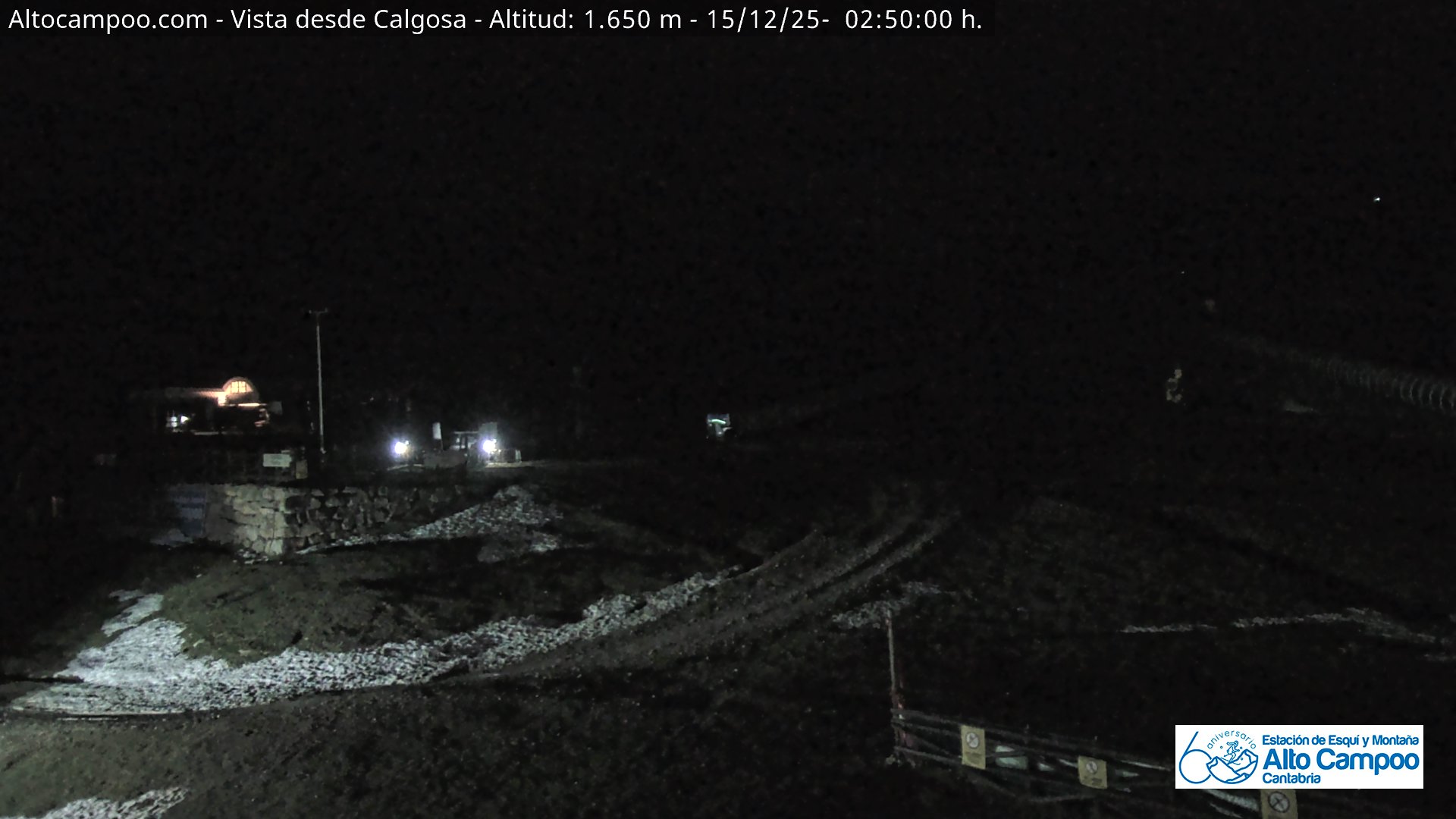
The slopes open out in a basin beneath peaks over 2.000 meters high, with forests lower down on the valley sides. At Calgosa, the base station at 1.650 meters, are the parking lot and the Multiusos building with resort services. In Brañavieja, there are accommodations close to the resort; further down the valley, you can choose between posadas, small rural hotels, and accommodations in the center of Reinosa. Proximity to skiing, a mountain home in the woods, or the streets of a city are three different ways to experience your stay.
Page sections
Slopes and facilities
Alto Campoo has 23 runs: 4 green, 10 blue, and 9 red. The blue runs offer the widest choice for those who have already completed their first lessons, while the red runs cater to skiers seeking more challenging descents. The area remains compact: those looking for a Northern Spanish resort will find alpine skiing, snowboarding, and cross-country skiing here.
The slopes cover approximately 23,7 kilometers, ranging from 1.650 to 2.125 meters, with north and northwest exposure; adding the itineraries, the total total is approximately 30,4 kilometers. The 10 active facilities include three chairlifts, six drag lifts, and a magic carpet. The Pidruecos three-seater chairlift ascends to the El Chivo area; the Tres Mares and Río Híjar four-seater chairlifts serve other parts of the basin. Among the blue runs, Río Híjar II is 2.470 meters long. For red runs, you can choose Tres Mares or the area served by the El Castro drag lift, below the Cuchillón ridge. There are no black runs.

Discover the best offers for a snow holiday in the best Alpine chalets and huts in the Dolomites, the best facilities immersed in the heart of the Dolomites with typical Alpine style.
Artificial snowmaking covers Calgosa, sections of the central Pidruecos and Río Híjar runs, and the upper section towards Tres Mares. For a break, you can stay at El Chivo, where the cafeteria-restaurant is located at 1.850 meters, or go down to the Multiusos in Calgosa. Here, the cafeteria and self-service restaurant allow you to choose a full meal or something quicker: combo platters, burgers, pinchos, and portions to share. Both restaurants are open during the ski season; the one at the base is also convenient for those accompanying skiers and staying in Calgosa.
Learning to ski with children
The green slopes Calgosa I and II are at the base, with ski lifts and magic carpets; the green Tobogán I and II are higher up. There are several schools available for beginners, including Escuela Española de Esquí, Cantabria Activa, Brañavieja, and Slalom. It’s a good idea to book lessons before your arrival, especially during peak periods, so you can plan a meeting point and rental time.
Cantabria Activa offers individual and group lessons, from beginners to advanced. Beginners familiarize themselves with the equipment and the snow, learning to change direction and use the lifts. Those who already know how to ski can work on their technique with an instructor. For children under 7, the school offers individual lessons, lasting a maximum of two hours, and does not recommend starting with children under 4. Adults and minors are not placed in the same class. These are important tips to keep in mind if parents and children wish to take lessons during the same stay: the course should be chosen for each child, based on their age and experience.
Multiusos rents alpine ski, snowboard, and cross-country ski equipment for adults and children. You can rent the complete set or just the essentials, such as boots, skis, or poles; helmets and snowshoes with poles are also available. For a family trying skiing for the first time, the rental service allows them to get started without having to buy all the equipment right away. Choosing the right equipment and getting the kids dressed, however, takes time: these are steps that should be left until the meeting with the instructor, not concentrated in the last few minutes.
The Debutante ski pass allows you to use lifts that don’t provide access to the red runs. This option should be discussed with the school based on the lesson you’re planning, before purchasing a day pass for the entire ski area. You can purchase a day pass online, at the ticket office, or at the Multiusos Skiosk machines. When purchasing your first online pass, you can collect it from the machines or at the counter by showing your reservation code; you can top up the same pass for subsequent visits.
Snowboarding and cross-country skiing
The snowpark is reached by the Tres Mares four-seater chairlift. A ski pass and helmet are required to enter; before using the facilities, please check their condition and accessibility. Snow, weather, user traffic, and maintenance can all affect the park’s terrain and features, so just because the snowpark is listed on the map doesn’t mean you’ll always have the same setup available.
For those learning to ride a snowboard, Cantabria Activa also offers snowboard lessons. Lessons are individual and last a maximum of two hours for children aged 6 to 8; the school does not offer lessons for children under 6. Therefore, those traveling with young children can choose between skis and snowboards for different ages, without assuming that the conditions for the two courses will be the same.
The 2,7-kilometer cross-country ski circuit is located near Brañavieja, below the Calgosa Alpine Base. The Multiusos rental shop also offers cross-country skis, boots, and poles, with equipment for adults and children. It’s a great option for families or friends who aren’t looking for slopes and lifts, or for those who want to try a different discipline during their stay.
Snowshoeing in the Alto Campoo basin
For non-skiers, snowshoeing is a great way to explore the mountains with a guide. MásCampoo departs from the resort and offers an introductory outing lasting about 2-3 hours, including a round-trip. Experienced and trained skiers can choose a more challenging outing lasting about 4-5 hours: the guide will determine the route based on conditions and the group size.
Groups are limited to 12 people per guide, and the service includes snowshoes, poles, qualified guidance, and liability and accident insurance. Please bring suitable snow clothing and waterproof mountain footwear, as well as water and sunscreen. The short and long options require different commitments: with children or less fit individuals, the duration and elevation gain of the excursion must be agreed upon at the time of booking.
Glaciares Campurrianos offers snowshoeing excursions dedicated to the history of the landscape. A geographer accompanies the group and explains where the ancient glaciers were located, how they shaped the mountains, and what ecosystems exist today. The name of the activity therefore recalls the valley’s glacial past. Observation takes place during the walk, with maps, photographs, and short videos that help recognize the landscape’s features; the narrative also includes flora, fauna, and the history of the ski resort.
Introductory hikes last approximately four hours, with elevation gains between 200 and 500 meters; intermediate hikes last over five hours. These hikes are best chosen for the pleasure of walking and taking in the sights, dedicating a significant portion of the day to the mountains. The term “introductory” refers to the required snowshoeing experience: the walking time and elevation gain should be determined based on your own habits and the age of the participants.
Where to stay between Brañavieja and the valley
In Brañavieja, the SNÖ La Corza Blanca hotel offers accommodations near the resort, with transfers to the slopes arranged each morning. Rooms are available in double, triple, and quadruple versions, with private bathrooms and heating; outdoor parking is free. On weekends and winter holidays, the resort offers a shuttle between Brañavieja and the slopes. For stays that include weekdays, it’s best to organize these transfers separately.
Descending into the valley, in Entrambasaguas, the Posada Rural Lindos Sueños offers a different atmosphere: a traditional mountain house nestled among oak and beech trees, 12 kilometers from the resort. The seven attic rooms have a bathroom and a living area, with the option of adding up to two beds. After skiing, guests can relax in the living room with a wood-burning stove; a fireplace is also found in the dining room. The property has a garden, private parking, and ski storage. It serves homemade breakfasts and has a bar reserved for guests. It’s a great option for those who want to spend time in the accommodation, rather than just returning to sleep.
Those who prefer to stay in Reinosa might consider the Posada Villa Rosa, in the center. It offers 12 double rooms with private bathrooms and an apartment for 2 to 4 people; breakfast is included. The property notes that the spa is closed for renovations; however, this property should not be booked if you are counting on that service at this time.
Reinosa, Fontibre and the castle of Argüeso
Reinosa is worth a visit even without staying overnight. Calle Mayor and Plaza de España retain porticoes offering shelter from the elements, a feature of the town center that’s especially appealing in winter. The town hall overlooks the square with a stone façade and a five-arched portico; the historic houses and buildings tell the story of a city that grew thanks to trade. The Charles III Bridge was built during his reign, part of the Camino Real (Royal Road) that connected Castile to the port of Santander. Also in the center is the Church of San Sebastián, with its carved stone façade and altarpieces inside.
A stop at a pastry shop offers the opportunity to try Reinosa’s pantortillas, puff pastry pastries made with butter and caramelized sugar. Casa Vejo makes them by hand: the thin pastry and crispy surface are perfect with a coffee or a snack. They’re also a local delicacy to take home.
In Fontibre, a village in the municipality of Campoo de Suso, lies the Fuentona, the source of the Ebro River. The water emerges from among ash and poplar trees, along with oaks and willows. Its story begins further upstream: the Híjar River seeps underground near Paracuelles and reappears here. Observing the source means rediscovering the water from the mountains in the valley, and adds to the geography encountered during your stay. A parking lot and an interpretation center are located nearby.
The castle of San Vicente de Argüeso stands on a hill overlooking the ancient road between the coast and Castile through the Saja Valley. Inside, restoration has highlighted the craftsmanship of oak and chestnut. The tour includes a free tour of the rooms and the crenellated terrace, preceded, if desired, by a short introduction and a 10-minute video. Children can search for the “dragon scales,” play a medieval word game, or use the coloring sheets included with the tour: the castle offers something to do together beyond exploring the rooms. The tour typically lasts 30-45 minutes. The castle is also open in winter, with shorter hours and some closures during the Christmas holidays; check the daily calendar before visiting. For those combining skiing and activities in the valley, it’s a short visit that doesn’t require a full day of excursions.
How to get to the slopes
Car access ends at the Calgosa parking lot. Before the barrier, there’s a free area, while parking closer to the slopes requires a fee. If all spaces are full, a shuttle service is available from Brañavieja. The fenced-in area is reserved for cars and does not allow campers. There are designated spaces for campers outside the barriers, but the resort does not have a dedicated camper parking area and does not allow overnight stays in the parking lot.
To get there without a car, the regional bus line K0702 connects Reinosa and Alto Campoo, but it’s important to check the service and the day’s route: some alternative routes stop in Entrambasaguas. It’s therefore important to check your actual destination before boarding the bus, especially for the return journey after skiing. Taxis are also available in the Campoo de Suso area to take you to the station; arranging your return journey in advance allows you to organize your transfer around your accommodation.
Airports
Seve Ballesteros Santander Airport is connected by bus to the Santander bus station. From there, the regional network continues to Reinosa, where you transfer to the Alto Campoo line. Traveling by public transport therefore requires coordinating the schedules of the various routes. For the final leg, you can also arrange a taxi in the Campoo de Suso area.


There are no comments